
While drinking, you get rare, shallow rest that leaves you drained. After quitting, deep sleep improves steadily over 3-6 months as your brain rebuilds. It’s a sedative, so it can send you into a deep sleep quickly—but that’s not what’s supposed to happen.
How Much Melatonin Should You Take?
The combination also increases the risk of confusion, falls, and accidental overdose. These substances should never be used together unless explicitly permitted and monitored by a doctor. More than 70% of those with alcohol use disorder (AUD) also experience alcohol-induced sleep disorders, such as insomnia, according to scientists in a 2020 review. Regular drinking has also been linked to shorter periods of rapid eye movement (REM) sleep, a disrupted circadian rhythm, and snoring. On average, the liver metabolizes one standard drink per hour, but this rate can vary. Residual alcohol and its metabolites can affect sleep quality even after you feel “sober,” so planning an alcohol cutoff well before bed remains the safest bet for restful sleep.
How Many Drinks Are Considered Safe for Good Sleep?
Once a threshold level of activation is reached in theREM-off cells, they become dominant. These have an inhibitory action on REM-on cells butalso a self-inhibitory feedback loop that progressively decreases their activity.Eventually, activity drops below a threshold point and REM-on cells regain dominance. Recentwork has identified an important role for GABAergic interneurons that act to facilitate theREM-off process (McCarley 2011).
- Sleep medications sometimes have unpleasant or even dangerous side effects.
- Even moderate amounts can still disrupt sleep if consumed too close to bedtime.
- In my clinical experience, many patients initially rely on alcohol as a sleep aid.
- Using caffeine to make up for your lack of sleep can be a problem.
- Chronic hazardous drinking was indicated in 38% men and 17% women.
Treatment of insomnia in alcohol use disorder: a meta-analysis of pharmacological and psychotherapeutic interventions
Ultimately, alcohol can decrease the amount and quality of sleep you get. Alcohol use can impact the quality of your sleep, and research confirms there’s a link between alcohol use and insomnia. As always, follow the dosage instructions on the product label or those provided by your doctor and avoid taking more than recommended unless advised by a healthcare professional. The Farm Bill removed all hemp-derived products, including CBD, from the Controlled Substances Act, which criminalizes the possession of drugs. In essence, this means that CBD is legal if it comes from hemp, but not if it comes from cannabis (marijuana) — even though it is the exact same molecule.
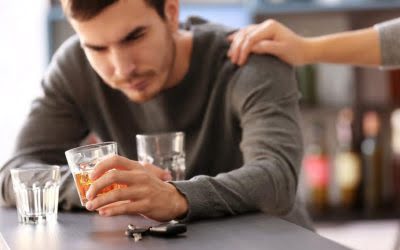
In a recent cross-sectional population study of 187,950 adults in the United States short sleep prevalence was higher among alcohol rehab adults who consumed any alcohol compared with those who never consume alcohol18. Our findings contrast with this study in that we did not find strong association between drinking and sleep duration. Jackson et al. note that the prevalence of short sleep across alcohol consumption patterns was more variable among whites, and the majority of Whitehall II participants are white.
- If you have concerns about dependence and withdrawal from benzodiazepines, your healthcare provider can help you plan the timeline for your treatment.
- Alcohol has a slowing effect (also called a sedating effect or depressant effect) on the brain.
- Withdrawal symptoms are a whole different world than alcohol-induced sleep problems.
- Anxiety spikes often keep your mind racing after quitting alcohol because your brain’s GABA levels drop suddenly.
No medication is risk-free and cannabis is no exception to that rule. However, compared to the number of emergency room visits reported annually related to alcohol it appears cannabis use requires less frequent emergency room visits. In a group of 1,000 patients, five reported requiring urgent care related to cannabis use. 79.7% of patients who identified as binge drinkers reported reducing their binge drinking episodes.
- Cleveland Clinic’s primary care providers offer lifelong medical care.
- If you wake up at 2 or 3 AM and cannot fall back asleep, Delta-9 alone may not be enough.
- Longo and Johnson69 recommended trazodone or nefazodone as first-line agents for medicating insomnia in substance abusers, but nefazodone is rarely used today because of hepatic failure risk.
- All this is to say that “just quitting” isn’t always easy, even when alcohol use harms your sleep and well-being.
These prescription sleep medications slow activity in the brain, which can improve the quality of your sleep. Doctors don’t recommend taking sleeping pills for more than 2 to 3 weeks, as they can become habit-forming. Dose and duration will vary depending on your diagnosis, medical history, and current condition. A warm bath before bedtime, a massage, and light stretching all work to relax the body alcohol and insomnia and could help you wind down at night. Behavioral therapies may be as effective as sleep medications, such that therapies are often the first line of treatment for people with insomnia.
Conditions
This might include mindfulness meditation, progressive muscle relaxation, journaling to process emotions and concerns, spending time in nature when possible, and engaging in hobbies or activities that promote relaxation. Having supportive family members or friends who https://ecosoberhouse.com/ understand the recovery process can reduce stress and anxiety that often interfere with sleep. During chronic alcohol use, REM sleep is significantly suppressed. When alcohol is discontinued, the brain attempts to make up for this lost REM sleep through a phenomenon called REM rebound.